
Maths
We hope you enjoy exploring the maths resources below, which have been selected to support learning both in school and at home.
At Moulton CEVC Primary School, our lessons are not taken directly from published schemes. We use a range of high-quality resources, including materials from White Rose Maths and Twinkl to support our teaching. Our teachers carefully plan learning to meet the needs of our pupils, drawing on the very best resources available to create a bespoke curriculum. This is particularly evident in key areas such as written and mental calculation, fractions and decimals, where our curriculum has been carefully designed and refined to build deep understanding, fluency and confidence.
If you have any questions about maths, please do not hesitate to contact Mrs Shipp, our Maths Leader, who will be happy to help and talk to you for hours about the best subject in the world!
A Typical Maths Lesson
Every maths lesson at Moulton CEVC Primary School is carefully planned to build fluency, deepen understanding and develop confident, independent mathematicians. While every lesson is adapted to meet the needs of the class, our lessons follow a consistent structure that helps children feel confident, successful and ready to learn.
At the start of each lesson, teachers share the learning intention so that pupils understand the purpose of the lesson and what they will be learning.
'I Say, You Say'
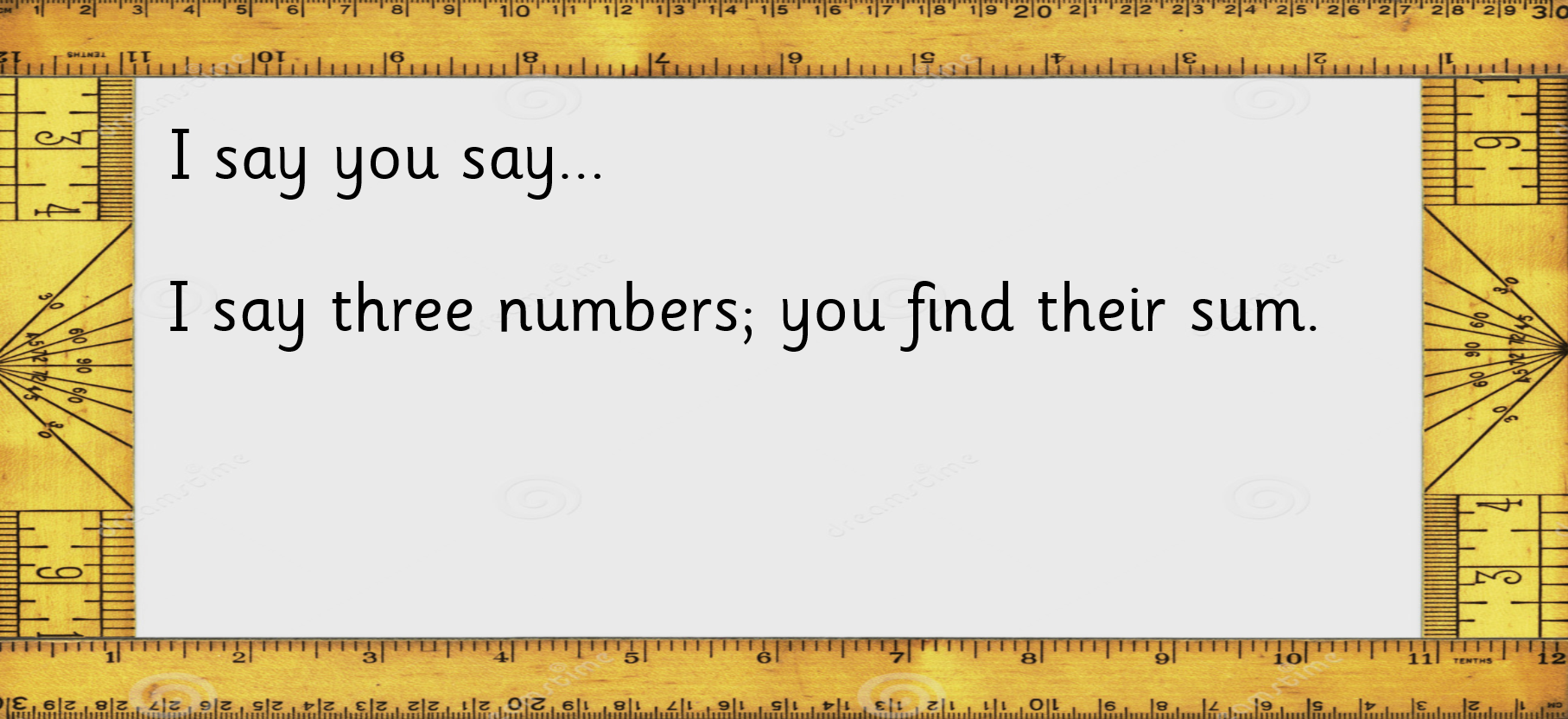
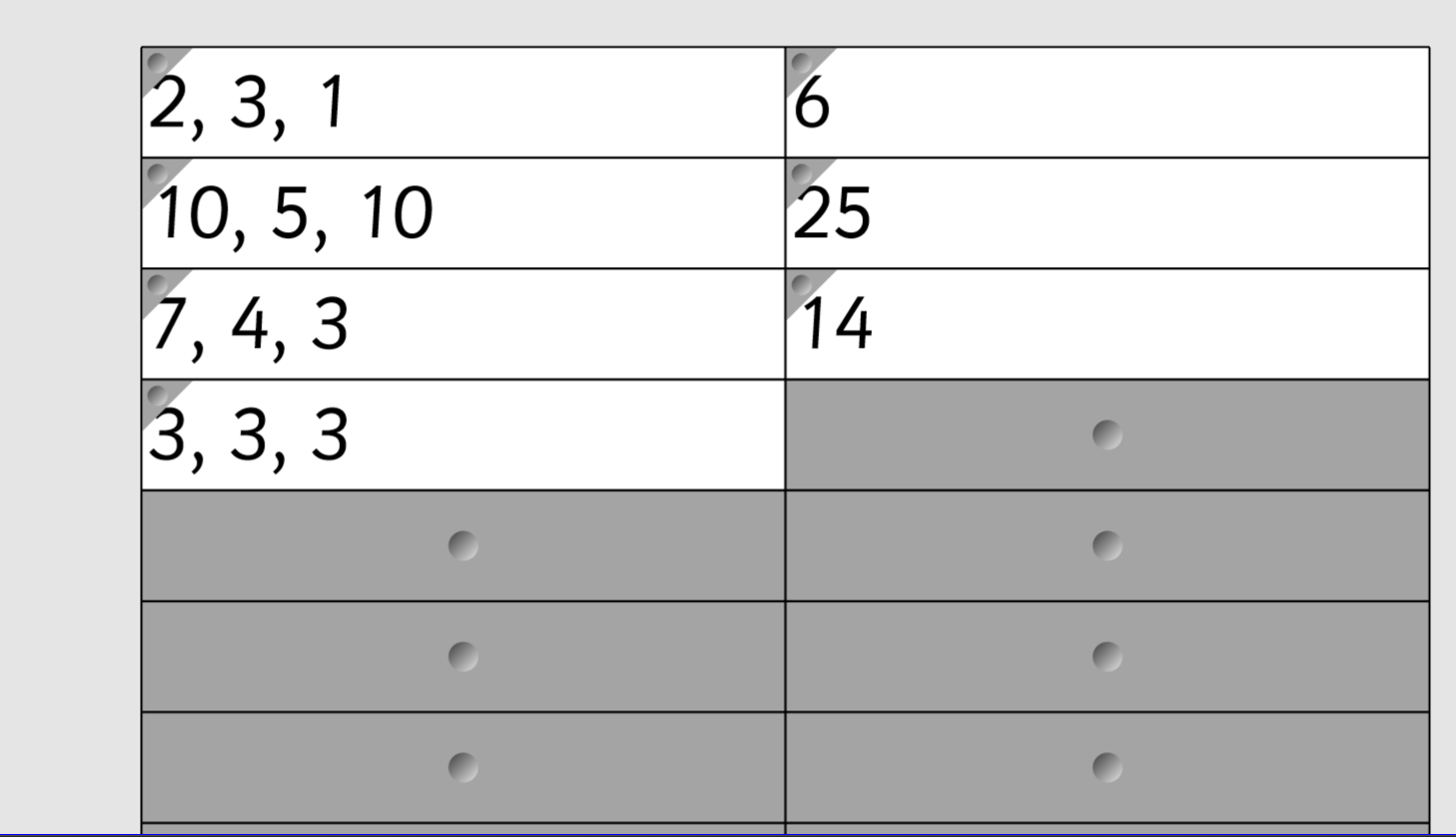
Lessons begin with one or two minutes of 'I Say, You Say'. During this fast-paced oral or writing rehearsal, pupils respond to carefully selected questions and mathematical prompts, helping them develop quick recall and mathematical fluency.
The content is chosen specifically for each class. Teachers select facts, vocabulary and skills that pupils need to recall quickly, that will support the day's learning, or that require further practice to ensure they become embedded in long-term memory. This regular retrieval helps pupils make connections between new learning and what they already know.
Flashback Four
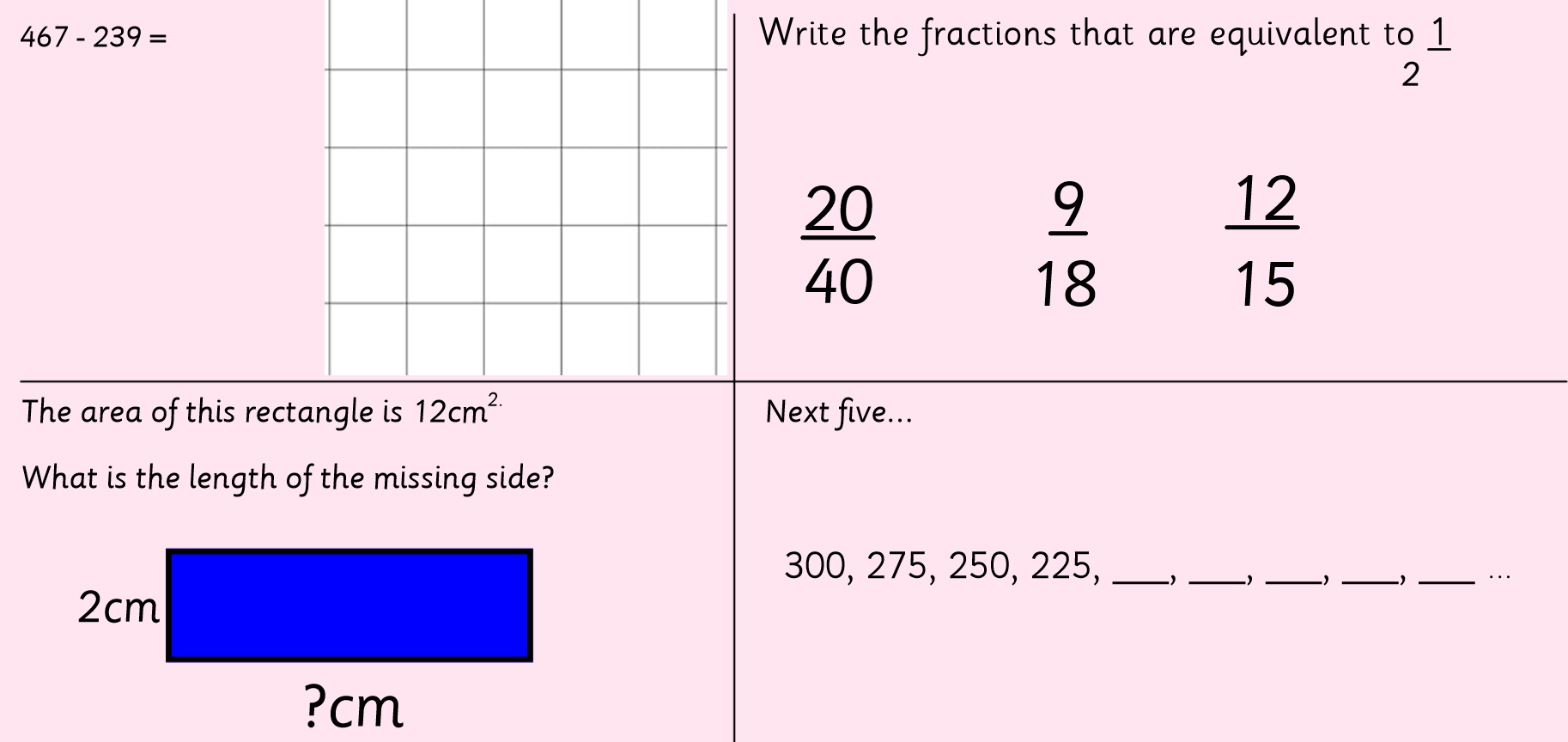
Following this, pupils complete a bespoke Flashback Four. These are carefully designed by our teachers to reflect the needs of our pupils and our curriculum.
The questions revisit learning from across the curriculum, ensuring that important concepts are not forgotten when they have not been taught recently. Teachers place particular emphasis on areas that benefit from regular overlearning, such as fractions and decimals, while also revisiting topics that naturally occur less frequently within the curriculum, including shape, measures and money.
This part of the lesson also provides valuable opportunities to develop pupils' metacognitive skills. Teachers think aloud as they solve problems, modelling effective strategies, mathematical vocabulary and decision-making processes. By making their thinking visible, teachers help pupils understand not just how to solve a problem, but why particular methods are efficient and when they should be used.
This carefully sequenced start to every lesson ensures that pupils continually revisit, strengthen and connect their mathematical knowledge, giving them the confidence and understanding they need to succeed in both their current learning and future mathematics.
The Main Part of the Lesson
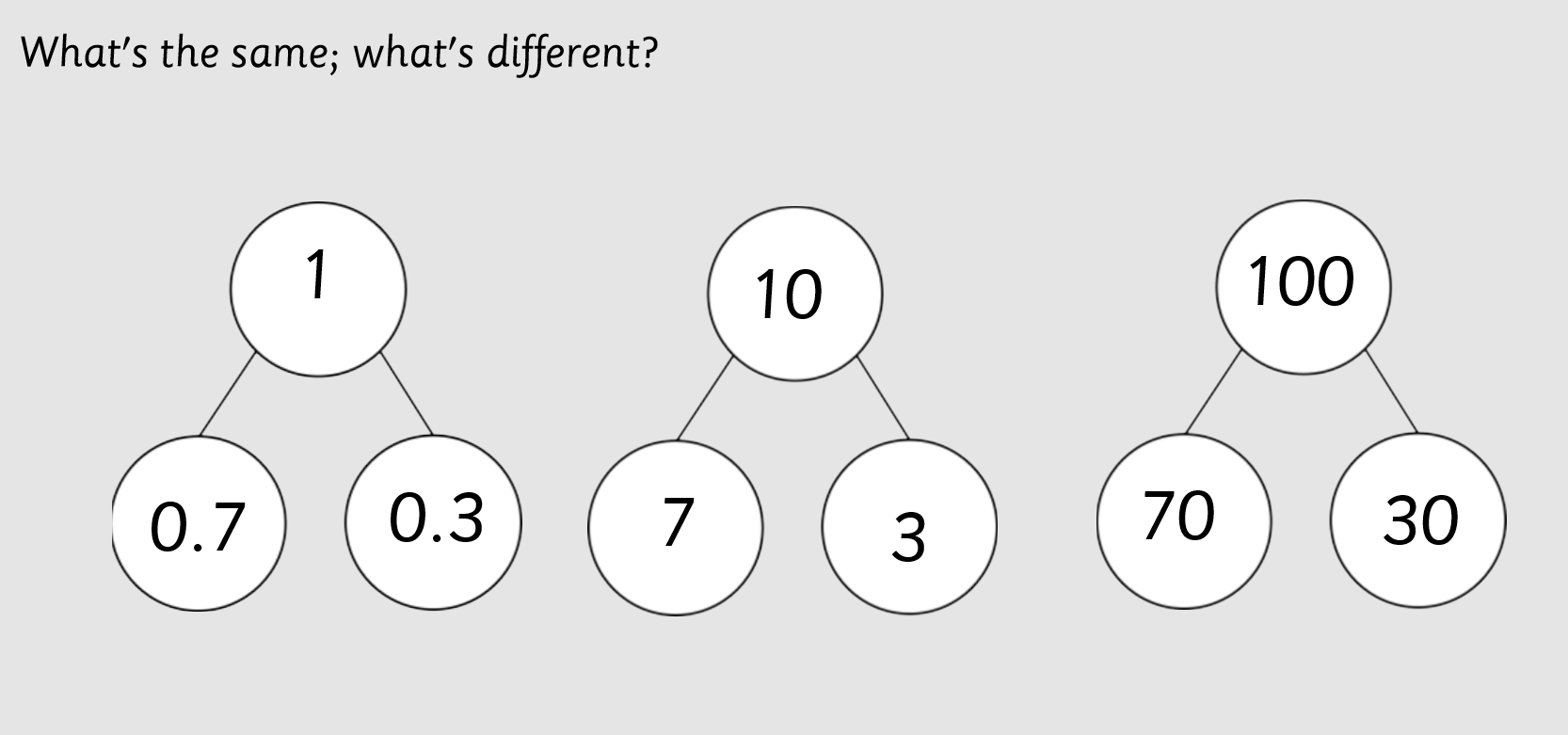
The main part of the lesson either introduces new mathematical learning or builds on previous understanding through a carefully sequenced series of smaller learning steps. Lessons are designed to give pupils time to think deeply, discuss their ideas, practise new skills and make meaningful connections between different areas of mathematics.
Teachers use SMART Notebook to support high-quality teaching and learning. This allows mathematical concepts and methods to be revealed gradually, enabling teachers to model each step of the thinking process clearly and respond to pupils' ideas as the lesson develops. Rather than simply presenting completed solutions, teachers can annotate, adapt examples in real time and demonstrate exactly how and why a method works. This dynamic approach helps pupils follow the reasoning behind each step, strengthens understanding and encourages active participation throughout the lesson.
By carefully modelling mathematical thinking, using precise vocabulary and asking purposeful questions, teachers support pupils in developing confidence, fluency and a deep conceptual understanding before they move on to independent practice.